Disease
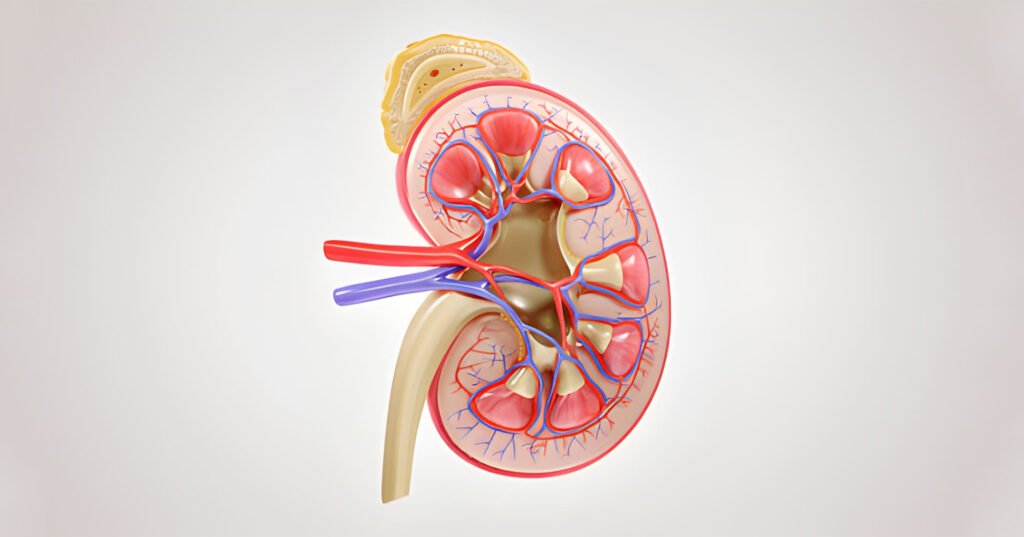
Nephrotic Syndrome is a kidney disorder that causes the body to excrete too much protein in the urine, a condition known as proteinuria. It occurs when the tiny filtering units of the kidneys, called glomeruli, become damaged. These glomeruli act like sieves, retaining essential proteins in the bloodstream while allowing waste and excess water to pass into the urine. When these filters are injured, they start leaking proteins, leading to a cascade of complications affecting fluid balance, immunity, and overall health.
This syndrome is not a single disease but rather a collection of symptoms that signal underlying kidney damage. It can develop as a primary kidney condition (originating in the kidneys themselves) or as a secondary condition caused by another disease, such as diabetes, lupus, or infections.
The defining features of nephrotic syndrome include:
High levels of protein in the urine (proteinuria)
Low levels of protein (albumin) in the blood
Swelling (edema) in various parts of the body
High cholesterol and triglyceride levels
Nephrotic Syndrome can occur at any age but is especially common in children and middle-aged adults. In adults, it’s often linked to chronic diseases like diabetes or hypertension.
Dr Anish Kr. Saha’s approach for the treatment of Nephrotic Syndrome begins with accurate diagnosis and cause identification. The focus is not just on managing the symptoms, such as swelling or protein loss, but also on addressing the underlying disease process that’s damaging the kidneys.
Through advanced diagnostic tools, kidney biopsies (when necessary), and individualized care plans, Dr Anish Kumar Saha, the best nephrologist in Siliguri, ensures that each patient receives a targeted and holistic approach combining medication, dietary guidance, and lifestyle modification for lasting kidney protection.
His mission: to restore kidney function, reduce complications, and help patients regain control over their health and daily life.
Symptoms
The hallmark of Nephrotic Syndrome is swelling, but the condition manifests in several interconnected ways that reflect how deeply the kidneys influence every system in the body.
Common symptoms include:
Swelling (Edema): Typically first seen around the eyes and ankles, but may spread to the legs, feet, abdomen, or even the entire body in severe cases.
Foamy or frothy urine: Caused by large amounts of protein passing into the urine.
Sudden weight gain: Due to fluid retention.
Fatigue and weakness: As albumin (a key blood protein) drops, the body’s ability to maintain fluid balance and energy levels declines.
Loss of appetite and nausea: Related to metabolic changes and waste accumulation.
Shortness of breath: Caused by fluid buildup in the lungs or around them.
Pale, dry skin or hair thinning: Due to nutritional loss through the urine.
Increased susceptibility to infections: Because antibodies (a type of protein) are lost through the urine.
Foamy urine and reduced urine output: As filtration becomes increasingly impaired.
In children, swelling around the eyes (particularly in the morning) is often the earliest sign, while in adults, ankle swelling is typically the first noticeable symptom.
Dr Anish Kumar Saha, the best nephrologist in Siliguri, highlights that while swelling and foamy urine are the most visible indicators, Nephrotic Syndrome is far more than fluid retention; it’s a sign that the kidneys’ protective barrier has been compromised. Recognizing this early is key to preventing irreversible kidney damage.
Causes
Nephrotic Syndrome arises when the glomeruli, the microscopic filters in the kidneys, become damaged or inflamed, allowing proteins to escape into the urine. This can be triggered by a wide range of conditions, broadly classified into primary (originating within the kidneys) and secondary (resulting from other diseases).
Primary Causes (Kidney Origin Disorders):
Minimal Change Disease (MCD): The most common cause in children. Despite severe protein loss, kidney tissues often appear normal under a microscope, though functional damage is evident.
Focal Segmental Glomerulosclerosis (FSGS): Involves scarring in scattered sections of the kidney’s filtering units. Common in adults, and may recur even after treatment.
Membranous Nephropathy: Caused by thickening of the glomerular membranes, often linked to autoimmune reactions.
IgA Nephropathy and other glomerulonephritides: Result from immune system attacks on kidney filters.
Secondary Causes (Systemic Diseases or External Triggers):
Diabetes Mellitus: Long-standing high blood sugar levels cause structural damage to the kidney vessels.
Lupus (Systemic Lupus Erythematosus): An autoimmune disease that inflames and scars kidney filters.
Infections: Such as hepatitis B, hepatitis C, malaria, or HIV.
Medications: Prolonged use of NSAIDs, certain antibiotics, or chemotherapy drugs can trigger glomerular injury.
Amyloidosis: A rare condition where abnormal proteins accumulate in the kidneys.
Obesity and hypertension: Can indirectly cause kidney stress and glomerular overload.
Dr Anish Kumar Saha, the best nephrologist in Siliguri’s approach always begins with determining what’s causing the protein loss, because the success of treatment depends on targeting the specific mechanism of injury. His detailed investigations often include blood tests, urine studies, imaging, and a kidney biopsy, ensuring that no hidden cause is overlooked.
When to See a Doctor
Early recognition of Nephrotic Syndrome is essential, as untreated protein loss can lead to chronic kidney disease or even end-stage renal failure.
You should seek consultation with Dr Anish Kr. Saha if you experience any of the following:
Puffiness around the eyes or ankles that worsens during the day.
Foamy or frothy urine.
Rapid or unexplained weight gain.
Swelling in the legs, feet, abdomen, or face.
Fatigue, breathlessness, or reduced stamina.
Recurrent infections.
High cholesterol despite a healthy diet.
Reduced urine output or darker-than-usual urine.
People with diabetes, lupus, or chronic hypertension should be especially vigilant, as they are at higher risk of developing nephrotic changes.
Routine urine tests (protein or albumin) and blood creatinine measurements can detect early kidney involvement even before symptoms appear. For high-risk individuals, Dr Anish Kumar Saha, the best nephrologist in Siliguri, recommends annual or biannual kidney screening as a preventive measure.
Even mild swelling should never be ignored, it can be the first visible sign of significant kidney stress. Early consultation allows for immediate intervention, often reversing damage before it becomes permanent.
Treatments
Treatment for Nephrotic Syndrome focuses on controlling the underlying cause, reducing protein loss, managing swelling, and preventing complications such as infection, blood clots, or chronic kidney failure.
Dr Anish Kr. Saha’s management plan combines precision diagnostics with compassionate care, ensuring every treatment decision is evidence-based, personalised, and sustainable.
1. Identifying and Treating the Root Cause:
The first step is to determine whether the syndrome is primary or secondary.
For primary nephrotic conditions (like Minimal Change Disease or FSGS), immunosuppressive medications are commonly prescribed.
For secondary causes such as diabetes or lupus, the underlying disease is addressed through glucose control, blood pressure regulation, or autoimmune therapy.
Dr Anish Kumar Saha, the best nephrologist in Siliguri’s approach ensures that treatment targets the origin of the problem, not just its symptoms, leading to more effective and lasting results.
2. Medication Management:
Medications play a central role in stabilizing the condition.
Corticosteroids (Prednisolone): Often the first line of treatment for inflammation-related nephrotic syndromes.
Immunosuppressants (Cyclophosphamide, Cyclosporine, Tacrolimus): Used when steroids are ineffective or contraindicated.
ACE inhibitors and ARBs: Help reduce protein leakage and control blood pressure.
Diuretics: Aid in removing excess fluid to reduce swelling.
Statins: Lower cholesterol levels are elevated due to protein loss.
Anticoagulants: Prescribed if there’s an increased risk of blood clots.
Each prescription is carefully customized by Dr Anish Kumar Saha, the best nephrologist in Siliguri, to balance effectiveness with safety, considering age, stage, and underlying cause.
3. Dietary and Lifestyle Management:
Nutrition is a cornerstone of treatment for Nephrotic Syndrome. Dr Anish Kumar Saha, the best nephrologist in Siliguri, collaborates with dietitians to design kidney-protective meal plans that balance protein, salt, and fluid needs.
Dietary recommendations include:
Low-salt diet: Reduces swelling and controls blood pressure.
Moderate protein intake: Prevents further kidney strain while maintaining nutritional balance.
Healthy fats: To manage cholesterol levels.
Adequate hydration: Maintains blood circulation without fluid overload.
Avoiding processed and high-sodium foods.
Lifestyle changes further support recovery:
Regular light exercise to improve circulation.
Avoiding smoking and alcohol,
Stress management through relaxation techniques.
Monitor weight and blood pressure regularly.
4. Managing Complications:
Nephrotic Syndrome can lead to several secondary problems if untreated, such as infections, blood clots, and nutrient deficiencies. Dr Anish Kumar Saha, the best nephrologist in Siliguri, focuses on preventive management, including:
Vaccinations to reduce infection risk.
Monitoring for deep vein thrombosis (DVT) in patients with severe protein loss.
Supplementation for deficiencies in vitamin D, calcium, and iron if needed.
Routine blood and urine tests to detect relapse early.
5. Long-Term Monitoring and Support:
Because Nephrotic Syndrome can relapse, ongoing follow-up is crucial. Dr Anish Kumar Saha, the best nephrologist in Siliguri, schedules periodic reviews to:
Track kidney function (creatinine, eGFR).
Monitor urine protein levels.
Adjust medications as the condition improves.
Patients are encouraged to maintain symptom diaries, noting any recurrence of swelling or foamy urine. Continuous communication between doctor and patient ensures a timely response to any signs of relapse.
6. Advanced Management:
In rare cases where kidney function declines significantly, renal replacement therapy may be required. This includes:
Dialysis: Temporary support to remove waste and fluid.
Kidney transplant: For end-stage disease unresponsive to medical therapy.
Dr Anish Kumar Saha, the best nephrologist in Siliguri, ensures that patients facing advanced disease receive comprehensive pretransplant counselling and evaluation, ensuring a seamless transition to the next phase of care.